🌱 SICKCARE — Part V: The Regenerative Exit (What a Healing-Oriented System Would Actually Require)
Critique alone doesn’t heal systems. If SICKCARE is sustained by incentives that reward recurrence, then a healing-oriented system must be built on something fundamentally different: agency, trust, time, and outcomes that actually matter. This final reflection explores what a regenerative exit would require — not just new policies, but a new philosophy of care grounded in living systems rather than mechanical throughput.
Critique alone doesn’t heal systems. If SICKCARE is sustained by incentives that reward recurrence, then a healing-oriented system must be built on something fundamentally different: agency, trust, time, and outcomes that actually matter. This final reflection explores what a regenerative exit would require — not just new policies, but a new philosophy of care grounded in living systems rather than mechanical throughput.
⚠️ SICKCARE — Part IV: The Clinician’s Dilemma (Healing Inside a System That Depends on Recurrence)
Most clinicians didn’t enter healthcare to manage recurrence. They came to help people heal. Yet many now practice inside systems that reward throughput, compliance, and return visits more than resolution. This reflection explores the quiet dilemma clinicians face—trying to do meaningful healing work within structures that depend on patients not fully getting better.
Most clinicians didn’t enter healthcare to manage recurrence. They came to help people heal. Yet many now practice inside systems that reward throughput, compliance, and return visits more than resolution. This reflection explores the quiet dilemma clinicians face — trying to do meaningful healing work within structures that depend on patients not fully getting better.
🔒SICKCARE — Part III: The Identity Trap (When a Diagnosis Becomes a Destiny)
A diagnosis can offer relief, validation, and a name for suffering. But over time, it can also become a boundary—quietly reshaping identity, expectations, and possibility. This reflection explores how diagnostic language can harden into destiny, trapping people in stories that limit recovery, agency, and imagination, even when the original intent was care.
A diagnosis can offer relief, validation, and a name for suffering. But over time, it can also become a boundary—quietly reshaping identity, expectations, and possibility. This reflection explores how diagnostic language can harden into destiny, trapping people in stories that limit recovery, agency, and imagination, even when the original intent was care.
💲SICKCARE — Part II: The Invisible Subscription (How Chronic Illness Became a Business Model)
Subscriptions are supposed to be optional. But in modern healthcare, chronic illness often functions like one—quietly recurring, difficult to cancel, and financially stabilizing for the system that manages it. This reflection explores how care pathways, incentives, and expectations can transform long-term illness into a business model—and what that means for agency, healing, and trust.
Subscriptions are supposed to be optional. But in modern healthcare, chronic illness often functions like one—quietly recurring, difficult to cancel, and financially stabilizing for the system that manages it. This reflection explores how care pathways, incentives, and expectations can transform long-term illness into a business model—and what that means for agency, healing, and trust.
🔄 SICKCARE — Part I: Why Healthcare Rewards Recurrence More Than Healing
Healthcare speaks fluently about healing, prevention, and outcomes. But beneath the language lies a quieter engine—one that rewards volume, recurrence, and dependency more than resolution. This first reflection in the SICKCARE series explores the uncomfortable gap between what the system says and how it actually operates, and why understanding that gap is essential for anyone seeking real healing.
Healthcare speaks fluently about healing, prevention, and outcomes. But beneath the language lies a quieter engine—one that rewards volume, recurrence, and dependency more than resolution. This first reflection in the SICKCARE series explores the uncomfortable gap between what the system says and how it actually operates, and why understanding that gap is essential for anyone seeking real healing.
🌱 The Regenerative Turn — From Mechanical Care to the Care of Living Systems
Healthcare was built on the logic of machines: diagnose the fault, repair the part, restore function. But living systems don’t heal the way machines do. They adapt, reorganize, and respond to meaning, safety, and context. This reflection explores the regenerative turn in pain care—away from fixing parts and toward supporting living systems, where healing emerges through trust, agency, and relationship.
Healthcare was built on the logic of machines: diagnose the fault, repair the part, restore function. But living systems don’t heal the way machines do. They adapt, reorganize, and respond to meaning, safety, and context. This reflection explores the regenerative turn in pain care — away from fixing parts and toward supporting living systems, where healing emerges through trust, agency, and relationship.
🪞The Language Mirror — How a Single Sentence Can Shape a Lifetime of Pain
The most powerful interventions in pain care are not always injections, surgeries, or exercises. Sometimes they’re sentences. A single phrase—spoken by a clinician, read in a report, or overheard in passing—can quietly reshape how a person understands their body for years. This reflection explores how language becomes a mirror, and why choosing words with humility may be one of the most important acts of care we offer.
The most powerful interventions in pain care are not always injections, surgeries, or exercises. Sometimes they’re sentences. A single phrase — spoken by a clinician, read in a report, or overheard in passing — can quietly reshape how a person understands their body for years. This reflection explores how language becomes a mirror, and why choosing words with humility may be one of the most important acts of care we offer.
🛠️ The Mechanical Illusion — Why We Keep Treating Chronic Pain Like a Broken Machine
Modern pain care is still dominated by a powerful metaphor: the body as a machine. When something hurts, we assume a part must be broken, worn out, or in need of repair. But chronic pain rarely behaves like a mechanical failure. This reflection explores how machine thinking narrows understanding, fuels fear, and quietly undermines healing—and why living systems require a very different kind of care.
Modern pain care is still dominated by a powerful metaphor: the body as a machine. When something hurts, we assume a part must be broken, worn out, or in need of repair. But chronic pain rarely behaves like a mechanical failure. This reflection explores how machine thinking narrows understanding, fuels fear, and quietly undermines healing—and why living systems require a very different kind of care.
⚠️ The Quiet Iatrogenics of Chronic Pain
Not all harm in chronic pain care comes from neglect or malice. Some of the deepest injuries are created quietly—through certainty delivered without humility, labels given too early, and explanations that shrink a person’s sense of safety and possibility. This reflection explores how well-intended care can unintentionally deepen suffering, and why recognizing iatrogenics in pain is a necessary step toward healing.
Not all harm in chronic pain care comes from neglect or malice. Some of the deepest injuries are created quietly — through certainty delivered without humility, labels given too early, and explanations that shrink a person’s sense of safety and possibility. This reflection explores how well-intended care can unintentionally deepen suffering, and why recognizing iatrogenics in pain is a necessary step toward healing.
🌀 What Pain Sufferers Can Learn From Socrates
Socrates never wrote about chronic pain—but he spent his life questioning certainty, examining belief, and challenging the stories people told themselves about suffering. For those living with pain, his method offers something modern medicine often forgets: not answers, but better questions. This reflection explores how Socratic inquiry can loosen fear, restore agency, and open new paths toward healing.
Socrates never wrote about chronic pain—but he spent his life questioning certainty, examining belief, and challenging the stories people told themselves about suffering. For those living with pain, his method offers something modern medicine often forgets: not answers, but better questions. This reflection explores how Socratic inquiry can loosen fear, restore agency, and open new paths toward healing.
🧠 Know Thyself: The Oldest Advice in the World Might Be the Newest Medicine We Need
“Know thyself” was carved into stone long before MRIs, pain scales, or clinical pathways existed. Yet in modern healthcare, self-understanding has quietly been replaced by external authority, labels, and protocols. This reflection explores why the oldest advice in the world may be the missing ingredient in healing today—and how reconnecting with self-knowledge restores agency, meaning, and trust in the body.
“Know thyself” was carved into stone long before MRIs, pain scales, or clinical pathways existed. Yet in modern healthcare, self-understanding has quietly been replaced by external authority, labels, and protocols. This reflection explores why the oldest advice in the world may be the missing ingredient in healing today—and how reconnecting with self-knowledge restores agency, meaning, and trust in the body.
⚖️ The Invisible Hierarchy: Why PT and Nursing Still Aren’t Considered “Professional Degrees” — and Why That Needs to Change
Physical therapists and nurses are trusted with lives, autonomy, and complex clinical decision-making—yet remain excluded from the “professional degree” classification in U.S. education policy. This invisible hierarchy shapes pay, policy, prestige, and power in ways most clinicians never see but feel every day. This reflection explores how outdated definitions quietly reinforce inequity in healthcare—and why redefining professional status isn’t about ego, but about agency, respect, and the future of care.
Physical therapists and nurses are trusted with lives, autonomy, and complex clinical decision-making—yet remain excluded from the “professional degree” classification in U.S. education policy. This invisible hierarchy shapes pay, policy, prestige, and power in ways most clinicians never see but feel every day. This reflection explores how outdated definitions quietly reinforce inequity in healthcare—and why redefining professional status isn’t about ego, but about agency, respect, and the future of care.
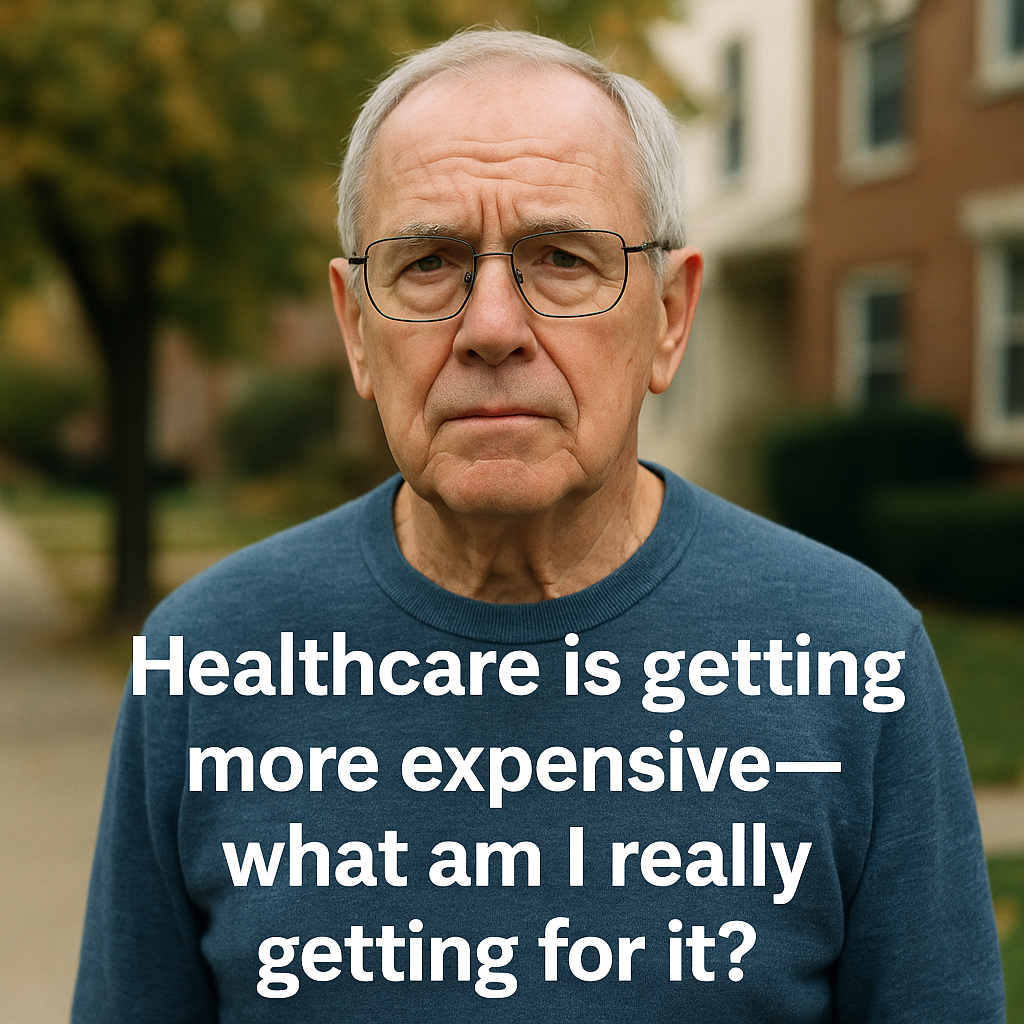
💰When Healthcare Gets More Expensive, Your Agency Becomes Priceless
As Medicare Part B costs rise again, the conversation usually stays stuck on dollars and deficits. But there’s a quieter cost we rarely name: lost agency. When healthcare becomes more expensive, efficiency tightens, visits shorten, and systems look for compliance instead of understanding. In pain care especially, the question isn’t just who pays—it’s who decides. And in an era of rising costs, personal agency may be the most undervalued currency we have left.
As Medicare Part B costs rise again, the conversation usually stays stuck on dollars and deficits. But there’s a quieter cost we rarely name: lost agency. When healthcare becomes more expensive, efficiency tightens, visits shorten, and systems look for compliance instead of understanding. In pain care especially, the question isn’t just who pays—it’s who decides. And in an era of rising costs, personal agency may be the most undervalued currency we have left.

⚠️ What If Something Really Is Wrong?
Healing doesn’t happen when we hand over the pen and wait for someone else to write our story. Even if the pain isn’t your fault, reclaiming agency gives you back the power to shape what comes next. You don’t have to stay passive, you can take the lead.
We all worry about missing something serious. Red flags matter — cancer, infection, fracture, cauda equina. They must be ruled out. But once danger is cleared, pain doesn’t just vanish into “nothing.” Chronic pain isn’t fake — it’s a nervous system doing its job too well. Pain is a story, not just a signal.
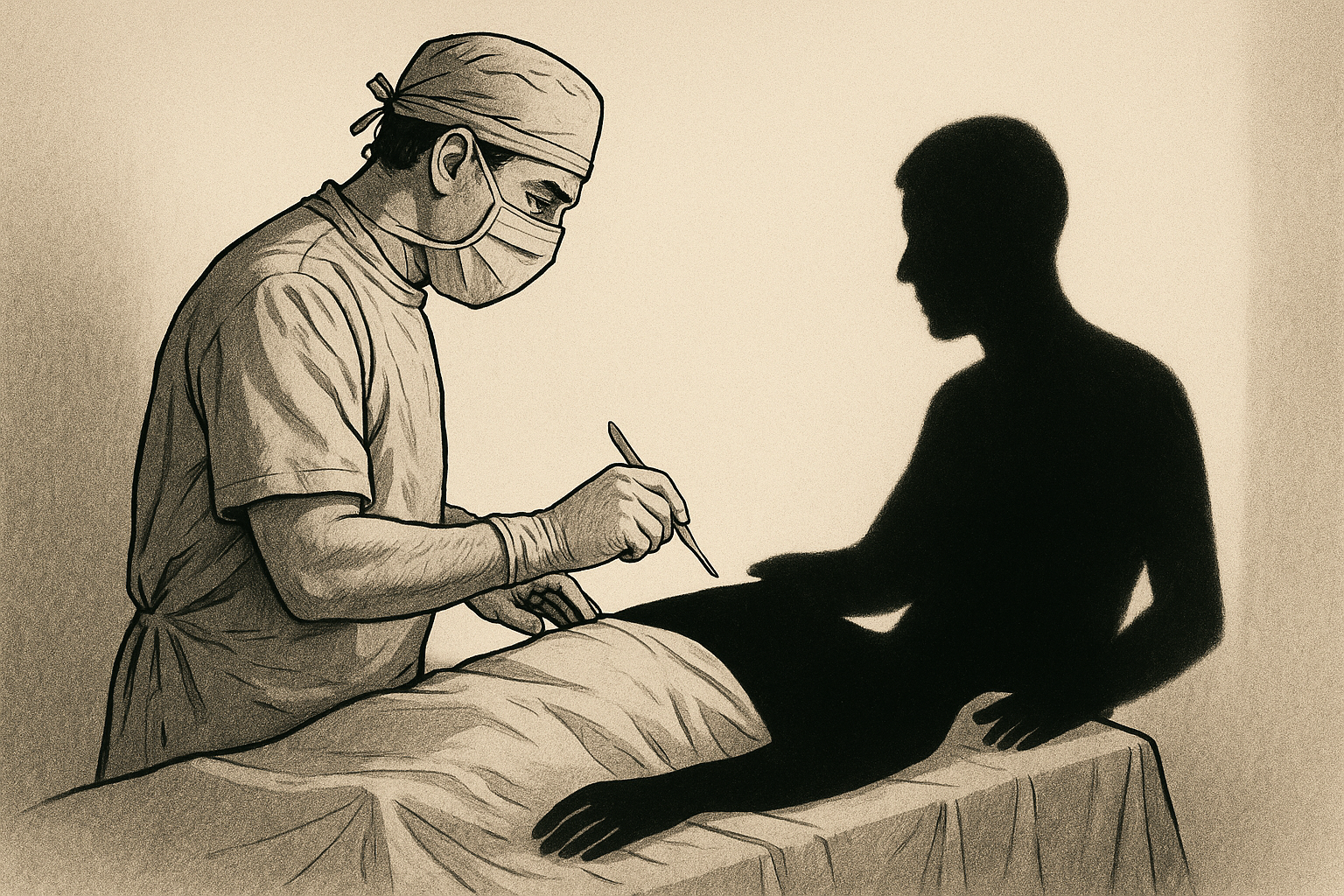
🧩 The Cost of Giving It Away: Why Agency Is Non-Negotiable in Healing
Healing doesn’t happen when we hand over the pen and wait for someone else to write our story. Even if the pain isn’t your fault, reclaiming agency gives you back the power to shape what comes next. You don’t have to stay passive, you can take the lead.
When you give away your story, you give away your power.
Healing doesn’t happen when we hand over the pen and wait for someone else to write our story.
Even if the pain isn’t your fault, reclaiming agency gives you back the power to shape what comes next.
You don’t have to stay passive, you can take the lead.

🚫 The Pain of Too Much: Why Healing Requires Saying No
In modern rehab, we often confuse more with better. But healing doesn’t happen when we add more tasks, it happens when we make space for what matters. Inspired by Greg McKeown’s Essentialism, this post invites you to say no to noise and yes to what restores agency.
In a world of more, sometimes healing starts with less.
“If you don’t prioritize your life, someone else will.”
— Greg McKeown, Essentialism
In modern rehab, we often confuse more with better.
But healing doesn’t happen when we add more tasks, it happens when we make space for what matters.
Inspired by Greg McKeown’s Essentialism, this post invites you to say no to noise and yes to what restores agency.

❓ Start With Why (In Pain)
Simon Sinek taught leaders to start with purpose. What if patients and clinicians did the same?
This piece explores how reconnecting with your why in the healing process can restore clarity, agency, and momentum — even in the middle of pain.
Pain isn’t just a problem to solve.
It’s a signal, yes — but often of something deeper: disconnection from purpose, identity, or meaning.
In medicine, we often leap to what to do: the exercise, the modality, the pill, the injection, the surgery.
But what if the most important healing question isn’t what or how…
—it’s why?
This piece explores how the framework made famous by Simon Sinek — “Start With Why” — applies just as powerfully to healing as it does to leadership.
It asks:
• Why do you want to heal?
• What would feeling better allow you to do, be, or reconnect with?
• And is your care aligned with that purpose — or pulling you further away?
This Wondering offers a way to re-anchor healing in meaning, and introduces the “Healing North Star” tool to help clarify and reclaim your why.

🧭 Is This Helping or Holding Me?
Sometimes healing means asking harder questions. Is this treatment empowering you — or keeping you stuck? This reflection reframes how we assess progress in care and offers a self-audit tool to help you reclaim your agency in the healing process.
Not all care empowers.
Sometimes, what looks like help can quietly reinforce dependency.
Sometimes, progress stalls not because you’re doing something wrong — but because the system keeps you from asking the right questions.
This piece invites you to pause and reflect:
• Is your treatment building your capacity — or just managing your symptoms?
• Do you feel more in control of your healing — or more reliant on your providers?
• Are you getting stronger, or just getting… stuck?
Healing isn’t just about feeling better. It’s about reclaiming your role.
This Wondering offers an insight to help you assess your care, your agency, and your next step forward — on your terms.

✅ Are My Incentives Aligned with Their Agency?
You care. You want to help.
But in a system driven by productivity and compliance, even well-meaning clinicians can find themselves nudged away from what matters most: the patient’s agency.
This piece challenges you to pause and reflect — not just on what you’re doing, but why you’re doing it… and who it’s really serving.
It introduces an insight about realigning care with conscience — especially in moments of burnout, frustration, or routine.
You’re doing your best to help, but the system has its own agenda.
Sometimes, healing gets quietly replaced with productivity.
Agency gets overshadowed by compliance.
Care becomes protocol-driven instead of person-centered.
This Wondering invites a pause, a moment to reflect not just on what you’re doing, but why.
And who benefits from your current approach.
Because the truth is: misaligned incentives can sabotage even the best intentions.
This is a call to realign your practice with what matters most: their agency, and your integrity.

🧰📈 Reclaiming Work as a Health Outcome
What if getting back to work wasn’t the end of healing, but part of it? Work isn’t just economic. It’s emotional, social, and deeply tied to our identity. This piece rethinks how “return to work” can be reframed as a therapeutic milestone, not a discharge note.
Work isn’t just what we do — it’s where our identity, movement, and meaning often live. But when pain enters the picture, we tend to treat work as a risk factor instead of a recovery milestone.
What if we flipped the frame?
What if getting back to work is healing?
This piece explores how reclaiming meaningful work — not just as employment, but as purpose — could become one of the most powerful, overlooked outcomes in modern pain care.