⚠️ SICKCARE — Part IV: The Clinician’s Dilemma (Healing Inside a System That Depends on Recurrence)
Most clinicians didn’t enter healthcare to manage recurrence. They came to help people heal. Yet many now practice inside systems that reward throughput, compliance, and return visits more than resolution. This reflection explores the quiet dilemma clinicians face—trying to do meaningful healing work within structures that depend on patients not fully getting better.
Most clinicians didn’t enter healthcare to manage recurrence. They came to help people heal. Yet many now practice inside systems that reward throughput, compliance, and return visits more than resolution. This reflection explores the quiet dilemma clinicians face — trying to do meaningful healing work within structures that depend on patients not fully getting better.
🔒SICKCARE — Part III: The Identity Trap (When a Diagnosis Becomes a Destiny)
A diagnosis can offer relief, validation, and a name for suffering. But over time, it can also become a boundary—quietly reshaping identity, expectations, and possibility. This reflection explores how diagnostic language can harden into destiny, trapping people in stories that limit recovery, agency, and imagination, even when the original intent was care.
A diagnosis can offer relief, validation, and a name for suffering. But over time, it can also become a boundary—quietly reshaping identity, expectations, and possibility. This reflection explores how diagnostic language can harden into destiny, trapping people in stories that limit recovery, agency, and imagination, even when the original intent was care.
💲SICKCARE — Part II: The Invisible Subscription (How Chronic Illness Became a Business Model)
Subscriptions are supposed to be optional. But in modern healthcare, chronic illness often functions like one—quietly recurring, difficult to cancel, and financially stabilizing for the system that manages it. This reflection explores how care pathways, incentives, and expectations can transform long-term illness into a business model—and what that means for agency, healing, and trust.
Subscriptions are supposed to be optional. But in modern healthcare, chronic illness often functions like one—quietly recurring, difficult to cancel, and financially stabilizing for the system that manages it. This reflection explores how care pathways, incentives, and expectations can transform long-term illness into a business model—and what that means for agency, healing, and trust.
🔄 SICKCARE — Part I: Why Healthcare Rewards Recurrence More Than Healing
Healthcare speaks fluently about healing, prevention, and outcomes. But beneath the language lies a quieter engine—one that rewards volume, recurrence, and dependency more than resolution. This first reflection in the SICKCARE series explores the uncomfortable gap between what the system says and how it actually operates, and why understanding that gap is essential for anyone seeking real healing.
Healthcare speaks fluently about healing, prevention, and outcomes. But beneath the language lies a quieter engine—one that rewards volume, recurrence, and dependency more than resolution. This first reflection in the SICKCARE series explores the uncomfortable gap between what the system says and how it actually operates, and why understanding that gap is essential for anyone seeking real healing.
⚠️ The Quiet Iatrogenics of Chronic Pain
Not all harm in chronic pain care comes from neglect or malice. Some of the deepest injuries are created quietly—through certainty delivered without humility, labels given too early, and explanations that shrink a person’s sense of safety and possibility. This reflection explores how well-intended care can unintentionally deepen suffering, and why recognizing iatrogenics in pain is a necessary step toward healing.
Not all harm in chronic pain care comes from neglect or malice. Some of the deepest injuries are created quietly — through certainty delivered without humility, labels given too early, and explanations that shrink a person’s sense of safety and possibility. This reflection explores how well-intended care can unintentionally deepen suffering, and why recognizing iatrogenics in pain is a necessary step toward healing.
💰When Healthcare Gets More Expensive, Your Agency Becomes Priceless
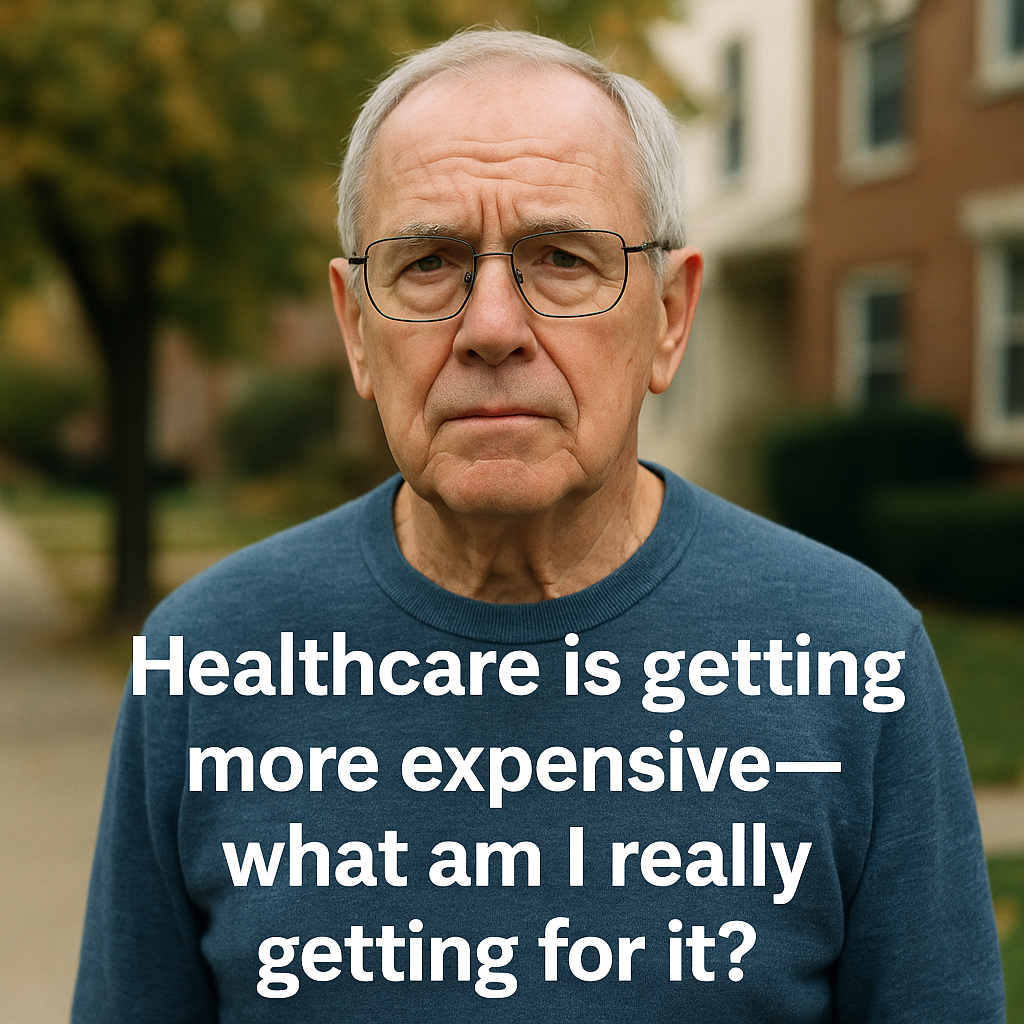
As Medicare Part B costs rise again, the conversation usually stays stuck on dollars and deficits. But there’s a quieter cost we rarely name: lost agency. When healthcare becomes more expensive, efficiency tightens, visits shorten, and systems look for compliance instead of understanding. In pain care especially, the question isn’t just who pays—it’s who decides. And in an era of rising costs, personal agency may be the most undervalued currency we have left.
As Medicare Part B costs rise again, the conversation usually stays stuck on dollars and deficits. But there’s a quieter cost we rarely name: lost agency. When healthcare becomes more expensive, efficiency tightens, visits shorten, and systems look for compliance instead of understanding. In pain care especially, the question isn’t just who pays—it’s who decides. And in an era of rising costs, personal agency may be the most undervalued currency we have left.