🌱 SICKCARE — Part V: The Regenerative Exit (What a Healing-Oriented System Would Actually Require)
Critique alone doesn’t heal systems. If SICKCARE is sustained by incentives that reward recurrence, then a healing-oriented system must be built on something fundamentally different: agency, trust, time, and outcomes that actually matter. This final reflection explores what a regenerative exit would require — not just new policies, but a new philosophy of care grounded in living systems rather than mechanical throughput.
Critique alone doesn’t heal systems. If SICKCARE is sustained by incentives that reward recurrence, then a healing-oriented system must be built on something fundamentally different: agency, trust, time, and outcomes that actually matter. This final reflection explores what a regenerative exit would require — not just new policies, but a new philosophy of care grounded in living systems rather than mechanical throughput.
🌱 The Regenerative Turn — From Mechanical Care to the Care of Living Systems
Healthcare was built on the logic of machines: diagnose the fault, repair the part, restore function. But living systems don’t heal the way machines do. They adapt, reorganize, and respond to meaning, safety, and context. This reflection explores the regenerative turn in pain care—away from fixing parts and toward supporting living systems, where healing emerges through trust, agency, and relationship.
Healthcare was built on the logic of machines: diagnose the fault, repair the part, restore function. But living systems don’t heal the way machines do. They adapt, reorganize, and respond to meaning, safety, and context. This reflection explores the regenerative turn in pain care — away from fixing parts and toward supporting living systems, where healing emerges through trust, agency, and relationship.
🪞The Language Mirror — How a Single Sentence Can Shape a Lifetime of Pain
The most powerful interventions in pain care are not always injections, surgeries, or exercises. Sometimes they’re sentences. A single phrase—spoken by a clinician, read in a report, or overheard in passing—can quietly reshape how a person understands their body for years. This reflection explores how language becomes a mirror, and why choosing words with humility may be one of the most important acts of care we offer.
The most powerful interventions in pain care are not always injections, surgeries, or exercises. Sometimes they’re sentences. A single phrase — spoken by a clinician, read in a report, or overheard in passing — can quietly reshape how a person understands their body for years. This reflection explores how language becomes a mirror, and why choosing words with humility may be one of the most important acts of care we offer.
🛠️ The Mechanical Illusion — Why We Keep Treating Chronic Pain Like a Broken Machine
Modern pain care is still dominated by a powerful metaphor: the body as a machine. When something hurts, we assume a part must be broken, worn out, or in need of repair. But chronic pain rarely behaves like a mechanical failure. This reflection explores how machine thinking narrows understanding, fuels fear, and quietly undermines healing—and why living systems require a very different kind of care.
Modern pain care is still dominated by a powerful metaphor: the body as a machine. When something hurts, we assume a part must be broken, worn out, or in need of repair. But chronic pain rarely behaves like a mechanical failure. This reflection explores how machine thinking narrows understanding, fuels fear, and quietly undermines healing—and why living systems require a very different kind of care.
⚠️ The Quiet Iatrogenics of Chronic Pain
Not all harm in chronic pain care comes from neglect or malice. Some of the deepest injuries are created quietly—through certainty delivered without humility, labels given too early, and explanations that shrink a person’s sense of safety and possibility. This reflection explores how well-intended care can unintentionally deepen suffering, and why recognizing iatrogenics in pain is a necessary step toward healing.
Not all harm in chronic pain care comes from neglect or malice. Some of the deepest injuries are created quietly — through certainty delivered without humility, labels given too early, and explanations that shrink a person’s sense of safety and possibility. This reflection explores how well-intended care can unintentionally deepen suffering, and why recognizing iatrogenics in pain is a necessary step toward healing.
💰When Healthcare Gets More Expensive, Your Agency Becomes Priceless
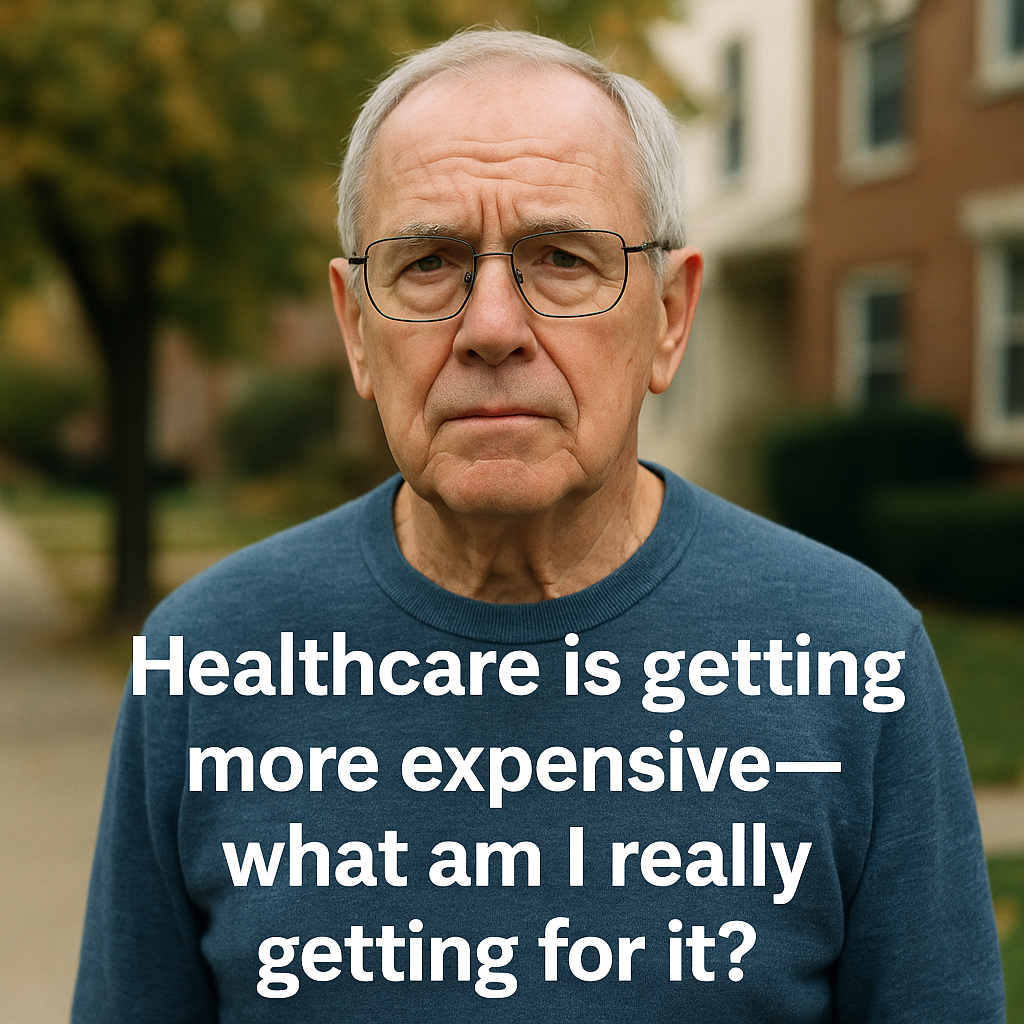
As Medicare Part B costs rise again, the conversation usually stays stuck on dollars and deficits. But there’s a quieter cost we rarely name: lost agency. When healthcare becomes more expensive, efficiency tightens, visits shorten, and systems look for compliance instead of understanding. In pain care especially, the question isn’t just who pays—it’s who decides. And in an era of rising costs, personal agency may be the most undervalued currency we have left.
As Medicare Part B costs rise again, the conversation usually stays stuck on dollars and deficits. But there’s a quieter cost we rarely name: lost agency. When healthcare becomes more expensive, efficiency tightens, visits shorten, and systems look for compliance instead of understanding. In pain care especially, the question isn’t just who pays—it’s who decides. And in an era of rising costs, personal agency may be the most undervalued currency we have left.